








Umar Khalid’s Interim Bail Rejected: What the Court Said and Why It Matters
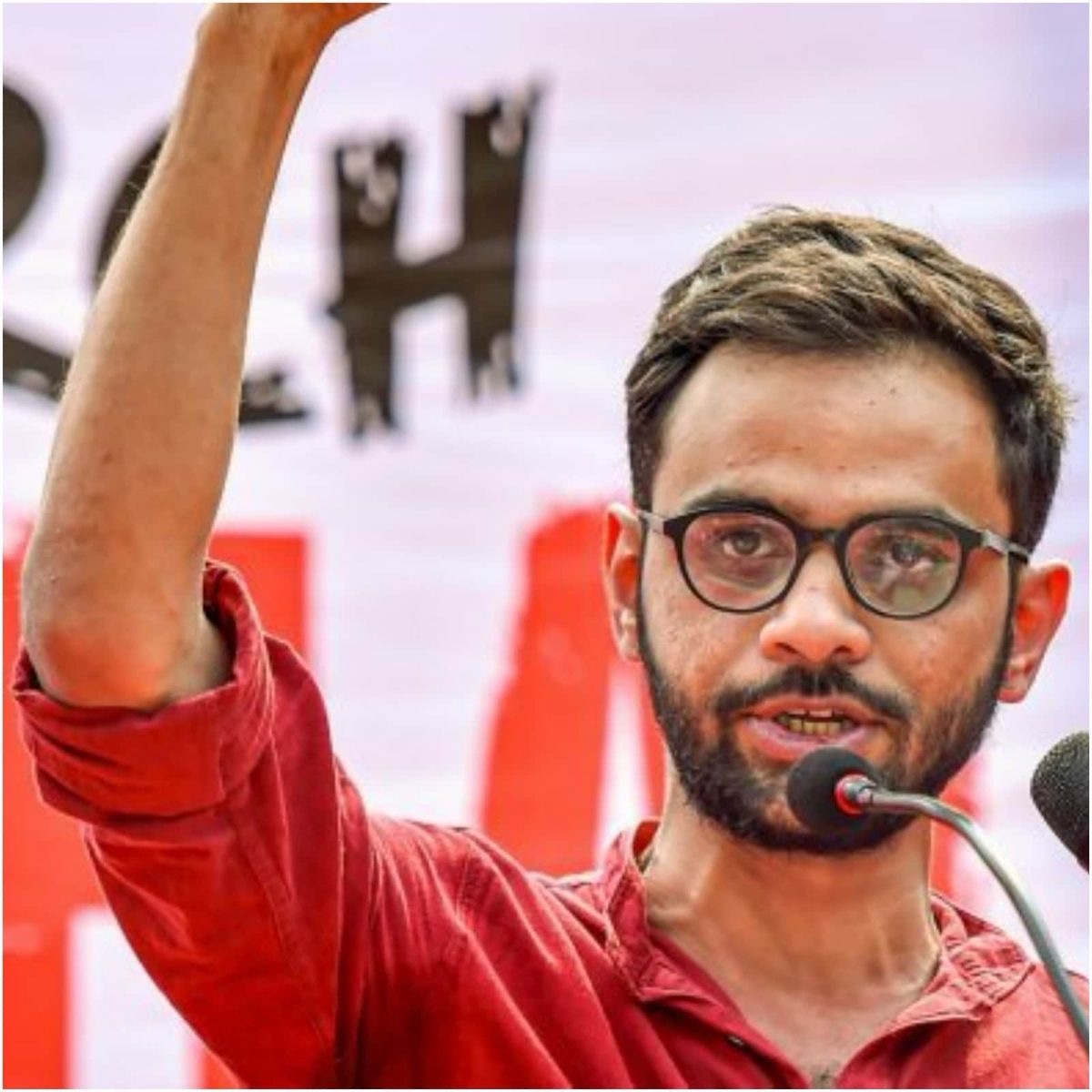
In a significant development, a Delhi court has denied interim bail to former student activist Umar Khalid, stating that the reasons presented in his plea were “not reasonable.” The decision once again highlights the strict legal framework surrounding cases under anti-terror laws in India.
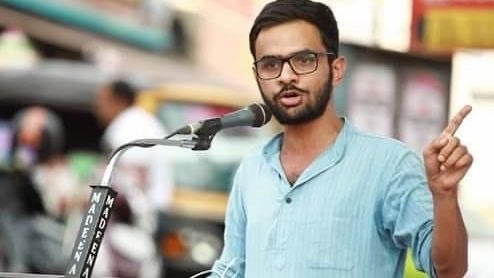
Why Did Umar Khalid Seek Bail?
Khalid had approached the court seeking temporary release on humanitarian grounds. His plea was based on two primary reasons:
- To take care of his ailing mother, who is reportedly undergoing medical treatment
- To attend a family religious function (Chehlum ceremony)
Such requests are typically considered under interim bail, which allows short-term release in urgent personal situations.
What Did the Court Say?
The court, however, was not convinced.
It observed that the grounds mentioned in the application did not meet the level of urgency required for granting interim bail. According to the court, such relief is reserved for exceptional and unavoidable circumstances, and Khalid’s case did not qualify under that category.
This is why the plea was rejected, with the court clearly stating that the reasons were “not reasonable.”
The Legal Angle: Why Bail Is Hard in This Case
Khalid is accused in the larger conspiracy behind the 2020 Delhi riots and is charged under the stringent Unlawful Activities (Prevention) Act (UAPA).
This law makes bail extremely difficult because:
- Courts must check if there is a prima facie case
- Even preliminary evidence can be enough to deny bail
- The focus shifts more towards national security concerns
Because of these strict conditions, even interim bail becomes harder to obtain.
What Have Higher Courts Said Earlier?
The Supreme Court of India has already denied regular bail to Khalid in earlier hearings, citing the seriousness of the allegations.
However, there’s an interesting twist.
Recently, the Supreme Court itself has raised concerns about how bail is handled in such cases. It emphasized a fundamental legal principle:
“Bail is the rule, jail is the exception.”
This observation has sparked discussions about whether courts are being too strict in cases involving laws like UAPA.
Why This Case Is Important
This is not just about one individual. The case reflects a larger issue in India’s legal system:
Strict Laws vs Personal Liberty
Anti-terror laws like UAPA are designed to protect national security, but they also make it very difficult for accused individuals to get bail.
Long Pre-Trial Detention
Many accused persons spend years in jail before their trial concludes, raising concerns about fairness and justice.
Judicial Balance
Courts are constantly trying to balance:
- National security
- Individual rights
This case sits right at the center of that debate.
What Happens Next?
With the interim bail plea rejected, Khalid’s legal options are still open. His lawyers may:
- Approach a higher court for relief
- File a fresh application with stronger grounds
The main trial in the Delhi riots conspiracy case is still ongoing, and its outcome will be crucial.
Final Thoughts
The rejection of Umar Khalid’s interim bail plea underscores how कठोर (strict) the legal system can be under special laws like UAPA. At the same time, ongoing observations from higher courts suggest that the debate over liberty vs security is far from settled.
As this case progresses, it will continue to shape conversations around justice, rights, and the limits of state power in India.
Share this content: